
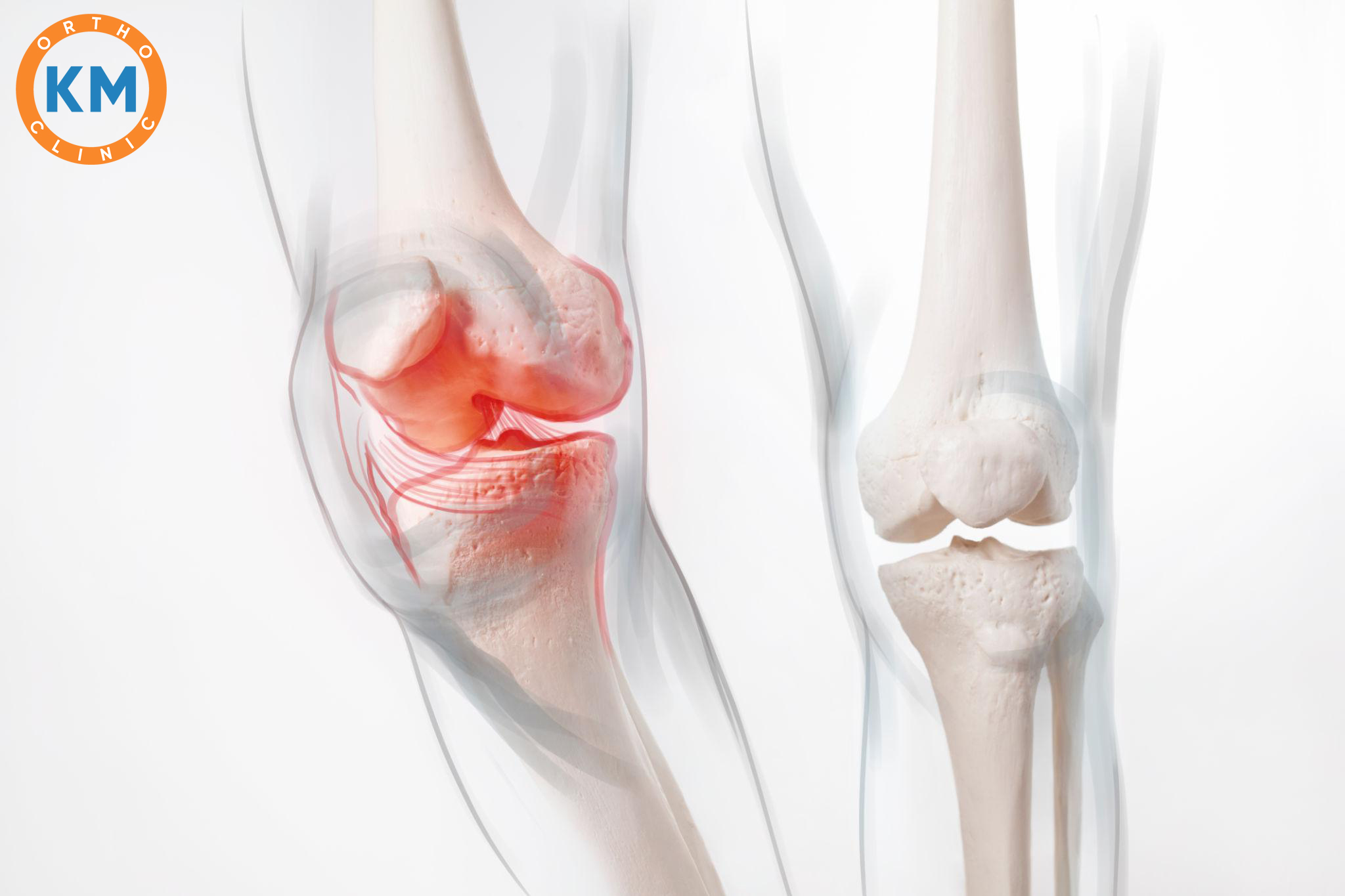
Knee pain is one of the most common musculoskeletal complaints affecting people of all ages. Whether caused by injury, overuse, aging, or underlying medical conditions, knee pain can significantly impact mobility and daily activities. Understanding the causes and available treatment options can help individuals seek timely care and prevent long-term complications. Knee replacement surgeon in Hyderabad
Common Causes of Knee Pain
Several conditions can lead to knee pain, ranging from minor injuries to chronic joint disorders.
Osteoarthritis
Osteoarthritis is the most common cause of knee pain among older adults. It occurs when the protective cartilage cushioning the knee joint gradually wears away, leading to pain, stiffness, swelling, and reduced mobility.
Ligament Injuries
Sports activities, sudden twisting movements, or accidents can damage knee ligaments such as the ACL (Anterior Cruciate Ligament), PCL, MCL, or LCL. These injuries often result in pain, swelling, instability, and difficulty walking.
Meniscus Tears
The meniscus acts as a shock absorber within the knee joint. Sudden twisting motions or age-related degeneration can cause tears, resulting in pain, locking, and limited range of motion.
Tendinitis
Overuse of the knee during running, jumping, or repetitive physical activities can inflame the tendons around the knee, causing pain and tenderness.
Bursitis
Bursae are small fluid-filled sacs that reduce friction around joints. Inflammation of these sacs can cause swelling and discomfort around the knee.
Symptoms That Require Medical Attention
Persistent knee pain should not be ignored. Seek medical evaluation if you experience:
- Swelling that does not improve
- Difficulty walking or bearing weight
- Knee instability or locking
- Reduced range of motion
- Pain lasting more than a few weeks
- Redness, warmth, or fever around the joint
Effective Treatment Options for Knee Pain
Treatment depends on the underlying cause and severity of the condition.
Conservative Treatments
For mild to moderate knee pain, doctors often recommend:
- Rest and activity modification
- Ice therapy to reduce inflammation
- Physical therapy and strengthening exercises
- Weight management
- Knee braces or support devices
- Anti-inflammatory medications
Injection Therapy
Corticosteroid or hyaluronic acid injections may provide temporary relief from pain and inflammation, particularly in patients with arthritis.
Surgical Treatment
When conservative methods fail, surgical intervention may be necessary. Arthroscopic surgery, ligament reconstruction, meniscus repair, or total knee replacement can effectively restore knee function and reduce pain in severe cases. Orthopedic doctor in Manikonda
Conclusion
Knee pain can result from various causes, including arthritis, ligament injuries, meniscus tears, and overuse conditions. Early diagnosis and appropriate treatment are essential for preventing further damage and maintaining an active lifestyle. Consulting an orthopedic specialist ensures a personalized treatment plan that addresses the root cause of the pain and promotes long-term joint health.